UK Snacking Habits: Key Observations
Understanding current snacking patterns provides useful context for discussing food choices. This article reviews findings from national dietary surveys and observations about snacking in the United Kingdom.
Snacking Frequency Trends
Research into UK eating habits shows snacking frequency has increased over recent decades. Most UK adults report snacking once to three times daily, making snacking a significant component of overall food intake.
This increased snacking makes knowledge about food options particularly relevant, as snack choices now represent a meaningful portion of daily nutrition.
Common UK Snacking Choices
Traditional Savory Snacks: Crisps and salty snacks remain popular, reflecting long-standing preferences in UK snacking culture.
Confectionery: Chocolate bars and sweets represent a significant portion of snacking calories, particularly among certain age groups.
Baked Goods: Biscuits and cakes are culturally significant snacking options throughout the UK.
Beverages: Soft drinks and sweetened beverages represent significant snacking calories, particularly among younger demographics.
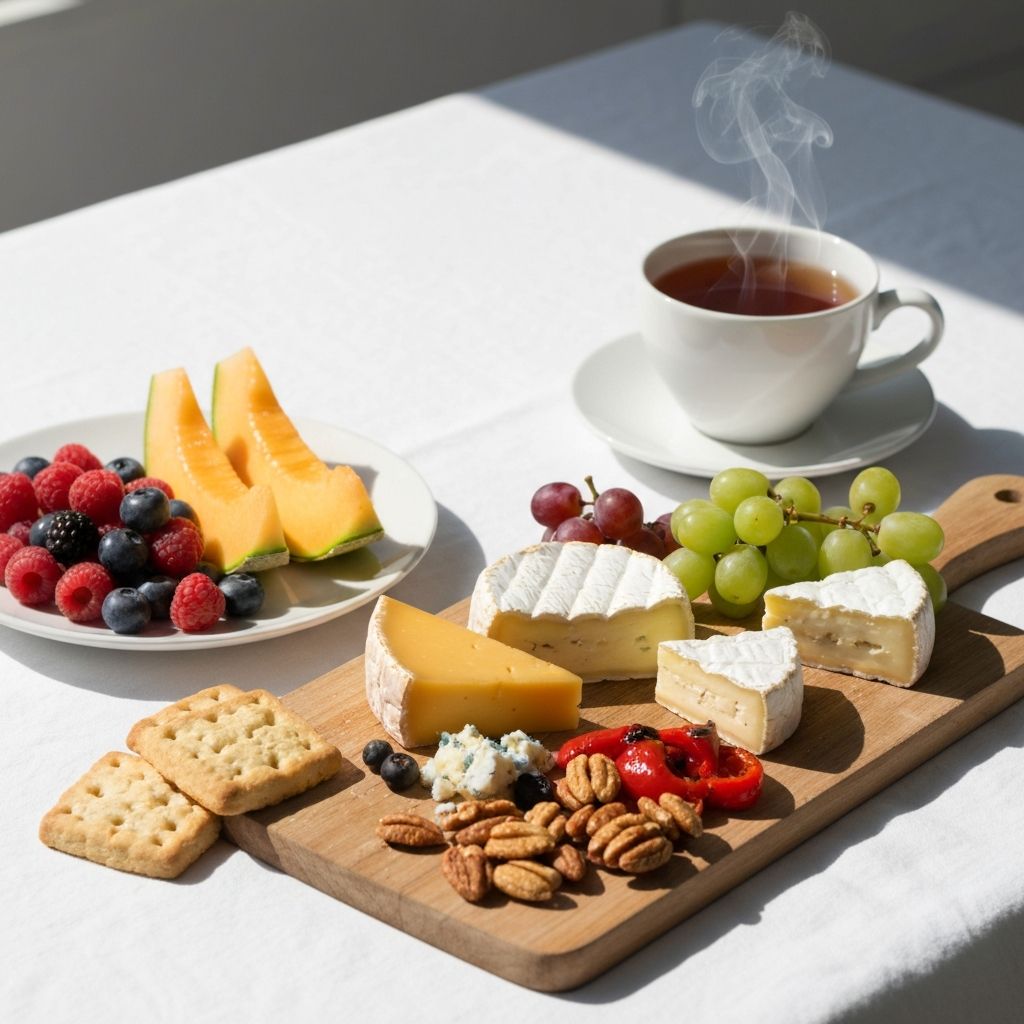
Emerging Preferences: Recent data shows growing interest in perceived "healthier" options including yogurt, nuts, fruit, and vegetable-based snacks, particularly among younger adults and health-conscious consumers.
Nutritional Impact of Current Patterns
National dietary surveys indicate that current snacking patterns contribute significantly to daily added sugar and calorie intake. Many popular snacking choices are energy-dense but nutrient-poor—providing calories with minimal vitamins, minerals, or fiber.
This pattern contrasts with whole food snacking options, which provide more balanced nutrition and typically greater satiety per calorie.
Social and Cultural Context of UK Snacking
Snacking in the UK reflects broader cultural patterns. Tea breaks traditionally include biscuits or cakes; social occasions feature snacks; work environments often have snack vending; and convenience stores prominently display snacking products.
Understanding these patterns provides context for everyday food choices. Snacking is deeply embedded in UK culture, making knowledge about available options valuable for informed decision-making.
Moving Forward: Evidence-Based Perspectives
Growing research attention to snacking suggests increased interest in understanding the science of food choices. This resource contributes to that knowledge by explaining the mechanisms behind satiety, nutrient density, and the effects of different foods on energy and wellbeing.
As snacking becomes increasingly prevalent in UK eating patterns, access to factual information about food options becomes more important. The goal is not to prescribe specific choices but to provide knowledge that supports informed, aware decision-making in everyday life.